
Within Language Support: English, Russian, and Audio
Within language support covers English and Russian. Compare full-game and demo audio, explore subtitle updates, and get clearer puzzle hints as you play.
Jump to
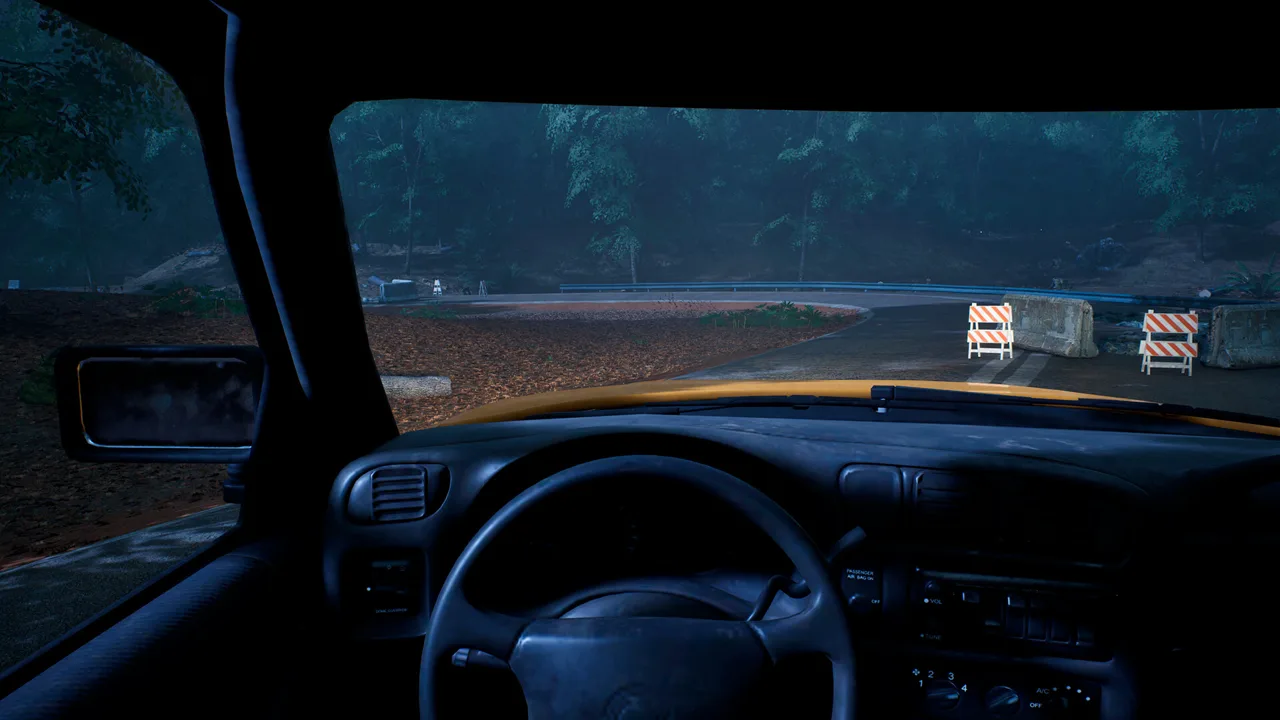
Which Languages Does Within Support?
Within language support includes English and Russian, with full English audio in the released game. That matters because your captor’s spoken clues can help you untangle ciphers and environmental puzzles. Before you choose a version, check one important difference in Within language support: the demo also marks Russian for full audio.
Within is a first-person puzzle thriller about searching for your missing wife and getting caught in a mastermind’s trap. Understanding the instructions matters as much as spotting an unusual object or recognizing a sequence. The atmosphere creates tension, but the puzzles ask you to pay attention to meaning.
Here is the language breakdown for the Windows versions:
| Version | Supported languages | Languages marked for full audio |
|---|---|---|
| Within full game | English, Russian | English |
| Within Demo | English, Russian | English, Russian |
The full game launched on October 11, 2026. The separate demo launched on February 12, 2026, and is free to download.
Keep the full game and demo separate when comparing language features. Their audio support differs, and an experience with the earlier demo does not describe every detail of the released game.
For an English-speaking player, Within language support includes a straightforward option: English is supported and carries full audio support in both versions. Russian is also supported in both, while the demo specifically includes the additional Russian full-audio designation.
English and Russian Audio: What Matters During Play
The voice acting has a practical role in Within. Your captor communicates through vintage gramophones, delivering instructions, cryptic clues, and taunts as you move through his trials.
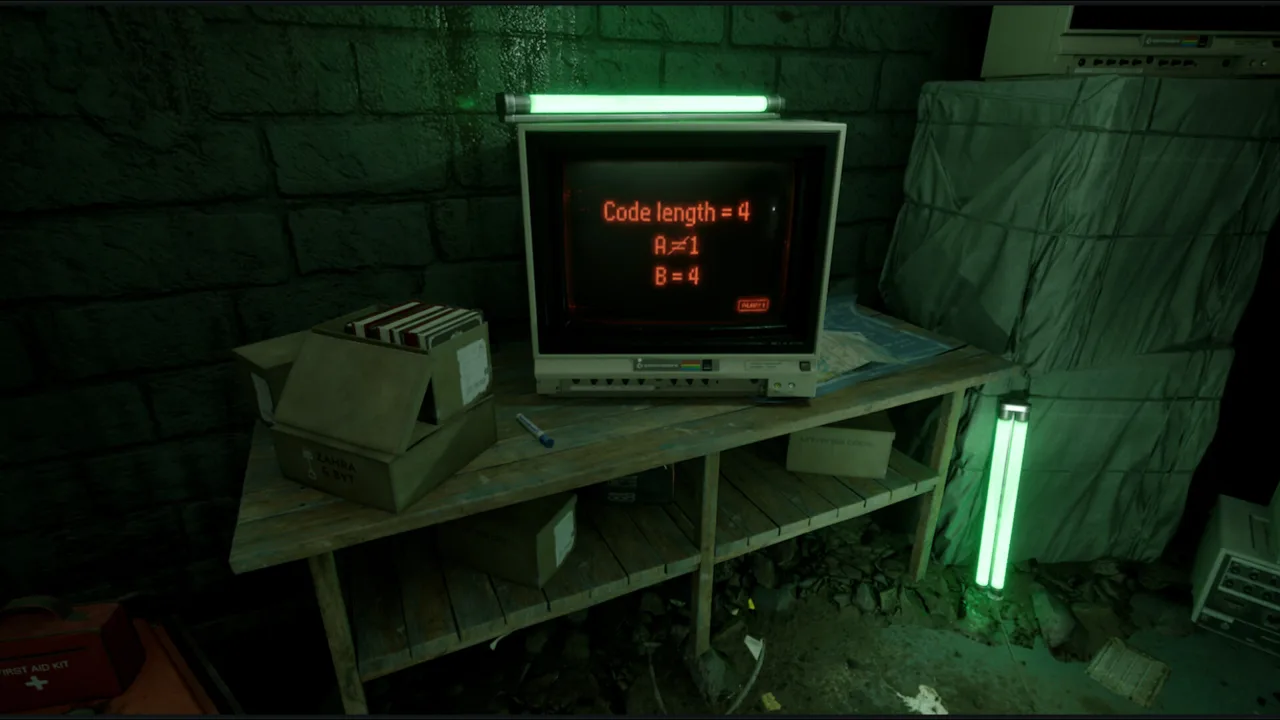 Image: Steam / AleksandrGlock
That makes listening part of puzzle solving. A line can establish what you should examine, suggest a relationship between objects, or direct your attention toward a mechanism. Missing its meaning can leave you looking at the right objects without understanding what connects them.
| Language feature | Full game | Demo |
|---|---|---|
| English support | Included | Included |
| Russian support | Included | Included |
| English full audio | Included | Included |
| Russian full-audio designation | English carries the full-audio designation | Included |
Within language support is especially relevant if you understand written English more comfortably than spoken English. Full audio describes voice coverage; following a distorted or atmospheric voice still requires attention.
Listen for the instruction inside the performance. Separate the captor’s threats from words that describe an action, an object, or a sequence. Then compare that instruction with the room rather than immediately manipulating every available mechanism.
Try these habits while working through a spoken clue:
- Identify the object or mechanism being discussed.
- Note any directional or ordering language.
- Write down the words you understood before experimenting.
- Compare the instruction with nearby environmental details.
These are ways to organize the information you receive, not a substitute for the puzzle’s actual answer. Keep your notes literal so an early assumption does not turn into a rule the game never gave you.
Subtitles, Readability, and the Difference Between Versions
Subtitles matter in a thriller where a voice can carry an essential instruction. They also serve a different purpose from translated menus: being able to navigate an interface does not automatically make a spoken puzzle clue easy to follow.
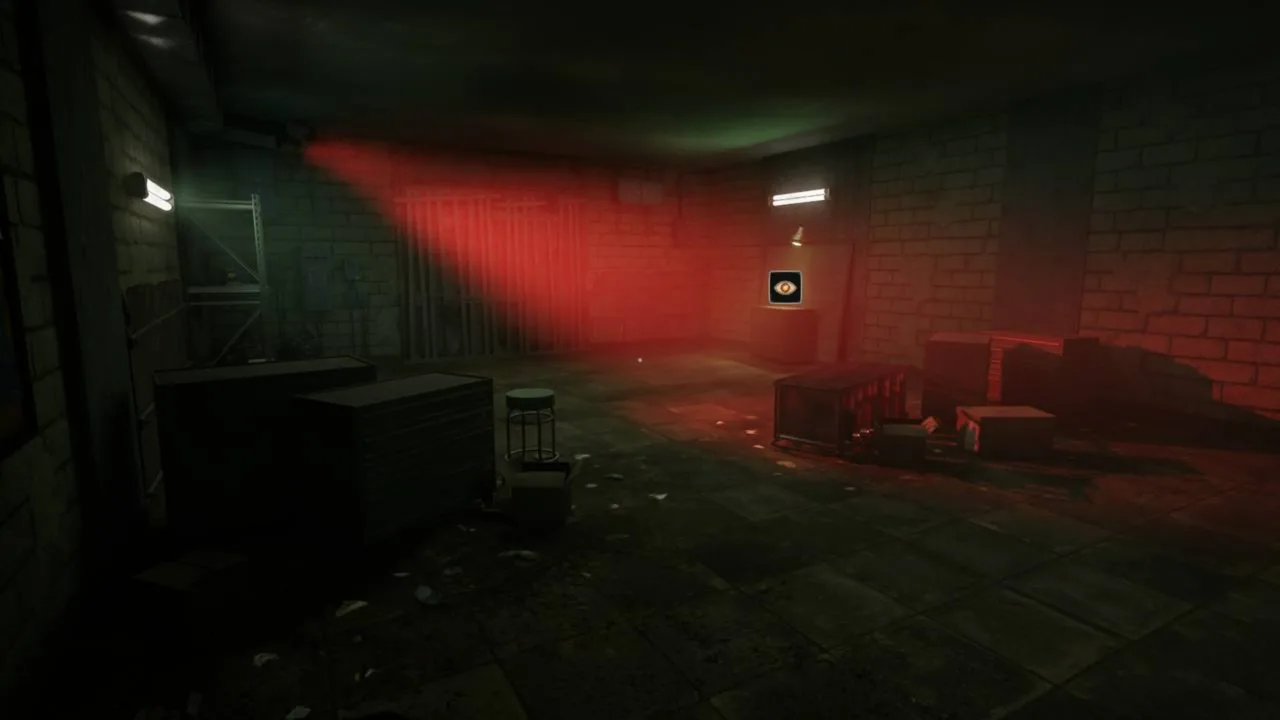 Image: Steam / AleksandrGlock
During demo development, the developer committed to subtitling all dialogue in the main game. The earlier demo had prompted frustration over difficult-to-understand speech, including the voice associated with the clock-and-tombstone puzzle.
The released game also had a readability concern involving hints that disappeared quickly. That is a timing problem as well as a language problem: understanding the words does little good if you cannot finish reading them.
| Version or update | Language-related detail | Practical takeaway |
|---|---|---|
| Earlier demo | Spoken instructions could be difficult to understand | Pay close attention when a voice delivers a clue |
| Main-game development | The developer committed to subtitles for all dialogue | Keep that commitment separate from the demo’s presentation |
| Launch version | A puzzle hint drew attention for disappearing quickly | Read appearing hints before continuing your investigation |
| Post-launch “Another fix...” update | Localization issues were fixed | Update the full game before troubleshooting older text problems |
The post-launch localization fix is the relevant change for players returning to the released game. It addressed localization issues alongside a potential freeze during the final cutscene. Those are separate fixes, so a language problem and a cutscene problem should still be described separately.
When assessing Within language support for your own needs, distinguish three things: the language you understand, the clarity of the voice, and the time available to read text. They affect the same moment of play in different ways.
When a hint appears, give it your attention before examining another object. Write down the important wording once you have read it. Avoid replacing an unfamiliar phrase with a guess, especially if the puzzle depends on order or direction.
Following Puzzle Clues Without Losing Their Meaning
Within combines code breaking, secret sequences, and environmental mechanisms. Language helps frame those interactions, while observation helps connect the instruction to the objects in front of you.
 Image: Steam / AleksandrGlock
Within language support therefore has a direct relationship with puzzle comprehension. Even so, a confusing puzzle is not automatically a translation problem. You can understand every word and still misread which objects matter or which stage of a mechanism you have reached.
Separate instructions from assumptions
The clock-and-tombstone puzzle attracted confusion during the demo period and remained a sticking point after release. One released-game experience involved trying to calculate answers from a large floor clock and values associated with the tombstones, only to discover that the solution was simpler than that interpretation.
Use that as a reason to check your reasoning before adding more calculations.
- Write down the actual instruction.
- List the objects it appears to reference.
- Separate visible information from relationships you have assumed.
- Reconsider an assumption before expanding it into a complicated theory.
This keeps the challenge focused on interpreting the puzzle rather than defending your first explanation. It also helps you recognize the difference between a sentence you did not understand and a connection you have not worked out.
Recognize when a puzzle changes phase
The ABC lever puzzle provides a useful example of why the current state matters. When its code length increases to five, you have entered a new phase and need to find the combination for that phase.
Do not keep treating the earlier combination as the answer to the changed puzzle. Recheck the current clues and the new code length.
| Puzzle element | Detail to track | Action to take |
|---|---|---|
| Spoken instructions | The action or relationship described | Record the wording before building a theory |
| Clock and tombstones | Which details you are connecting | Separate the clue from assumptions about calculations |
| ABC levers | An increase to a five-entry code | Find the combination for the new phase |
| Environmental mechanisms | Their visible state | Compare the state with the instruction you received |
You do not need to solve everything through language alone. Within also asks you to observe and manipulate the environment. Read the clue, examine the mechanism, and keep those two kinds of information connected.
Handling Language Problems in the Current Game
Start with the updated full game when checking a localization issue. Within received a post-launch fix specifically addressing localization, so an old screenshot or a memory of the demo can describe an earlier state.
Within language support is easier to troubleshoot when you identify the exact problem. “The language is wrong” gives less useful information than naming the text, the location, and what happened immediately before it appeared.
Distinguish between these situations:
- Unexpected language: Text appears in a language you cannot read.
- Unclear wording: You can read the sentence but cannot understand its instruction.
- Difficult audio: You cannot make out the spoken words.
- Short display time: The hint disappears before you finish reading.
Each calls for a different description. A screenshot can capture unexpected text or awkward wording. A short recording can demonstrate speech clarity or a hint disappearing too quickly.
The developer has a dedicated bug-report thread in the game’s Steam community hub. Include what happened and the steps leading up to it. Add a screenshot or recording when it helps show the issue. For crashes or performance problems, include your operating system, graphics card, processor, and RAM.
Keep puzzle feedback specific, too. Explain which instruction confused you and what interpretation it suggested. That is more useful than saying an entire puzzle makes no sense.
The free Within Demo on Steam lets you sample the atmosphere and puzzle style. Remember its separate audio profile when using it to assess Within language support. For the released version, open the Within full-game Steam page.
FAQ
What languages does Within support?
Within language support includes English and Russian in both the full game and the demo. English has full audio support in both versions. The demo additionally marks Russian for full audio.
Does Within have English voice acting?
Yes. English has full audio support in the released game and the demo. Spoken communication is part of the experience, with the captor using gramophones to deliver instructions, clues, and taunts in the full game.
Does the demo have the same language support as the full game?
Both support English and Russian, but their full-audio designations differ. The full game marks English for full audio; the demo marks both English and Russian. Compare the two versions separately when choosing what to play.
Have Within’s localization issues received an update?
Yes. The post-launch “Another fix...” update addressed localization issues and a potential final-cutscene freeze. Update the released game before investigating an older text problem, then describe any remaining issue with its location, wording, and reproduction steps.
Continue with
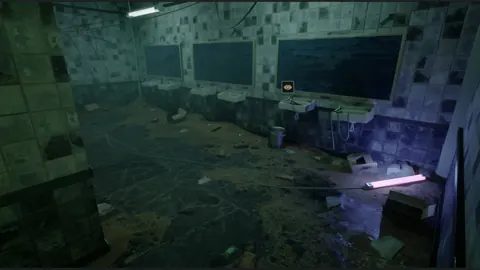 Within Walkie Talkie Dialogue: Clues and Audio HelpStruggling with Within walkie talkie dialogue? Get listening tips, understand the clock puzzle confusion, and learn how demo and full-game hints differ.
More in Features
Within Controls Guide: Puzzles, Settings, and Car Help
Learn Within controls through puzzle interactions, subtitle settings, and car troubleshooting. Get practical tips for the full game and its free PC demo.

Within Story Explained: The Mystery Behind the Hunt
Explore the Within story, its hunter-to-prey premise, puzzle clues, and dark atmosphere. Learn what to watch for before entering the first-person thriller.
Within Subtitles: Language Support and Dialogue Guide
Explore Within subtitles, English and Russian language support, and dialogue tips to help you follow the story and keep track of important puzzle clues.
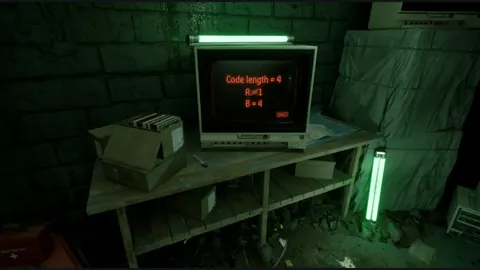
Within Trailer and Screenshots: A Gameplay Preview
Explore Within trailer and screenshots, compare the intro and gameplay previews, and get a closer look at puzzles before trying the free demo on Steam.
Join the community
Official channels for news, updates and player help: